14 Environmental Impacts of Megastructure Projects

This post was originally published on this site
Table of Contents
In this article, the top 14 Environmental Impacts of Megastructure Projects are clarified clearly.
1. What are the environmental impacts of Megastructure projects?
✓ Megastructure projects, such as soil erosion, biodiversity loss, deforestation, and increased water and air pollution, can significantly impact the environment.
✓ According to some research and studies, it is responsible for up to 50% of climate change.
2. What are the negative impacts of development on the environment?
They are:
✓ Habitat Destruction and Biodiversity Loss
✓ Deforestation
✓ Air and Water Pollution
✓ Climate Change
✓ Resource Depletion
✓ Loss of Arable Land
✓ Water Scarcity
✓ Loss of Ecosystem Services
✓ Noise and Light Pollution
✓ Waste Generation
✓ Health Impacts
✓ Social Displacement
3. How do you measure the environmental impact of a project?
They are:
✓ Scoping and Baseline Data Collection
✓ Identification of Potential Impacts
✓ Impact Assessment and Prediction
✓ Mitigation and Alternatives Analysis
✓ Public Consultation and Stakeholder Engagement
✓ Reporting and Documentation
✓ Regulatory Review and Approval
✓ Monitoring and Compliance
✓ Adaptive Management
4. What are the risks of high-growth markets?
They are:
✓ Political and Regulatory Risks
✓ Economic Volatility
✓ Currency Risk
✓ Market Liquidity and Infrastructure Challenges
✓ Corruption and Bribery
✓ Lack of Transparency
✓ Legal and Intellectual Property Concerns
✓ Infrastructure Deficits
✓ Social and Cultural Factors
✓ Market and Competitive Risks
✓ Health and Safety Concerns
✓ Environmental Sustainability
5. What does the world face the most significant risks?
They are:
✓ Climate Change and Environmental Degradation
✓ Global Health Crises
✓ Geopolitical Tensions
✓ Economic Inequality
✓ Technological Risks
✓ Cybersecurity Threats
✓ Water Scarcity
✓ Migration and Displacement
✓ Political Polarization
✓ Misinformation and Disinformation
✓ Resource Depletion
✓ Nuclear Weapons
6. What are the Environmental Impacts of Megastructure Projects?
✓ Megastructure projects are large-scale construction projects that significantly impact the environment. They can cause a variety of environmental problems, some of which are:
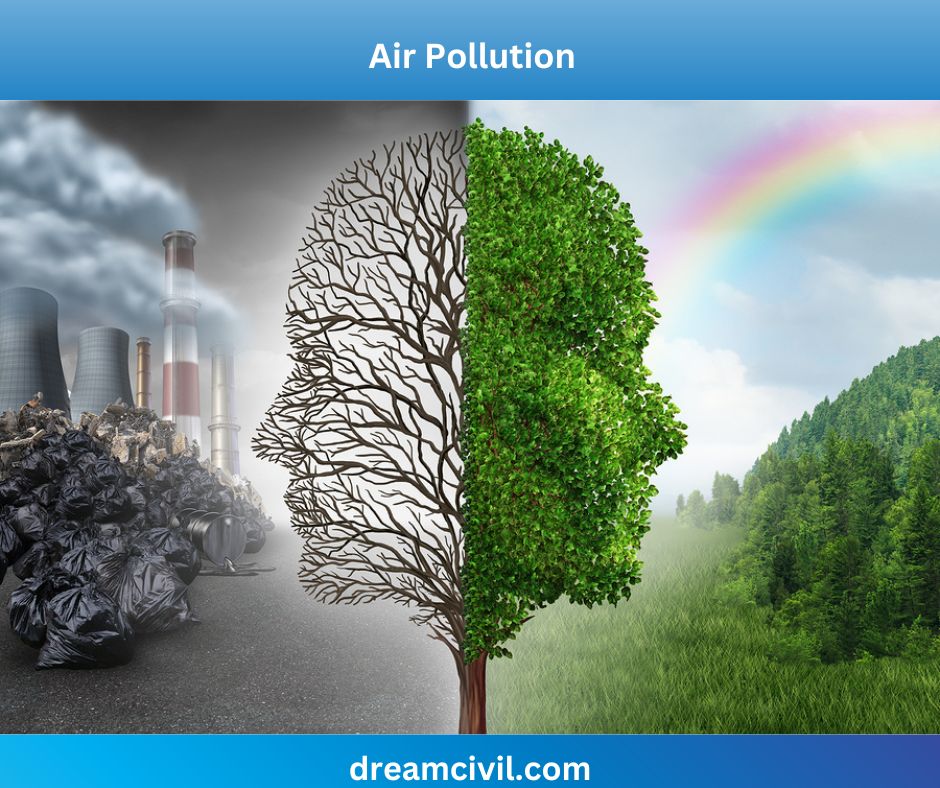
1. Air pollution
✓ Building a megastructure blueprint frequently implies heavy machinery, which can emit pollutants into the air.
✓ These pollutants can contribute to various health problems, such as heart disease, respiratory problems, and other health problems.
2. Water pollution

✓ Megastructure projects pollute water bodies because construction materials are washed into lakes or rivers, or wastewater from the construction site is discharged into waterways.
✓ It harms aquatic life and makes the water unsafe for bathing, recreation, and drinking.
3. Land degradation

✓ The construction of megastructure projects can also be harmful to the land.
✓ It promotes for deforestation to finish way for the project, and if the project deranges the natural drainage of an area.
✓ It has a capacity that can cause soil erosion, flooding, and other problems.
4. Habitat loss

✓ Megastructure projects destroy the habitats of many plants and animals because of the clearance of forests and other natural resources.
✓ It contributes to species extinction and breaks the natural balance of ecosystems.
5. Noise pollution

✓ Megastructure projects generate noise pollution, which can interrupt humans and wildlife.
✓ Noise pollution encourages some problems, such as sleep, stress, and other health problems.
6. Land Use and Urbanization

✓ Megastructure projects contribute to urban sprawl transforming natural and agricultural lands into built-up areas.
✓ This can harm fragmented habitats and local ecosystems and increase the risk of soil erosion and loss of green spaces.
7. Resource Depletion

✓ The operation and construction of megastructures need significant raw materials, energy, and water.
✓ Extracting such resources can cause habitat disruption, water and air pollution, and enhance overall resource depletion.
8. Energy Consumption

✓ Megastructures frequently have high energy demands for operation, construction, and maintenance.
✓ If the necessity of energy comes primarily from non-renewable sources, it can increase greenhouse gas emissions risk and promote climate change.
9. Waste Generation

✓ Large-scale construction projects generate large amounts of substantial waste, including packaging materials, debris, and discarded equipment.
✓ Poor waste management causes environmental pollution and the requirement for landfill space.
10. Climate Change

✓ Megastructure projects can increase and promote climate change through destructive greenhouse gas emissions from transportation, construction machinery, and energy consumption.
✓ Moreover, It contributes to the excess land use and can impact local microclimates.
11. Water Scarcity

✓ Large construction projects can demand local water resources because of the increased demand for water.
✓ This can aggravate water scarcity issues in regions facing water stress.
12. Infrastructure Impact

✓ The development of megastructures frequently needs large extensive infrastructure, such as utilities, roads, and transportation systems.
✓ This infrastructure can further bite the landscapes and break the ecosystems.
13. Social Displacement

✓ Megastructure projects can cause displacement of local communities and disrupt social networks.
✓ This can result in cultural heritage, losing livelihoods, and community ties.
14. Visual and Aesthetic Impact

✓ The utter size and emergence of megastructures can modify the visual landscape of an area, crash into its aesthetic value, and potentially transform the character of a region.


Responses