Kensington Blinds on embracing low carbon building practices

This post was originally published on this site
Kensington Blinds started their journey in 1979 manufacturing blinds for local customers and have since established a reputation for installing quality shading solutions for technically difficult spaces.
Previously, as Kensington Systems, they achieved ISO 9001 quality assurance accreditation in 2002 and have held it since. Now, as Kensington Blinds, they continue to deliver complex projects but with a strong focus on how advanced shading solutions can reduce the carbon-cost of buildings. The company have received business certification from Planet Mark, a leading sustainability and carbon-reduction consultancy, demonstrating their commitment to minimising environmental impact.
As part of their eco-friendly mission Kensington Blinds have become one of the UKs leading providers of external blinds, which provide a sustainable way to insulate the home, prevent overheating and reduce energy usage in a way that doesn’t compromise on aesthetics. External blinds are brilliant for supporting architects with Part O compliance, and are also a great sustainable feature. Not only do they contribute towards a luxurious and comfortable living space by negating the need for air conditioning, but they are great for privacy without hindering natural light.
Here, Brian Farr, in-house blinds expert at Kensington Blinds, discusses how they are forging the way with external blinds, supporting architects on their projects, and what they are focused on for the coming year.
Brian Farr, in-house blinds expert at Kensington Blinds
” data-medium-file=”https://architecturemagazine.co.uk/wp-content/uploads/2024/10/Brian-Farr-our-in-house-blinds-expert-1024×683.jpg” data-large-file=”https://architecturemagazine.co.uk/wp-content/uploads/2024/10/Brian-Farr-our-in-house-blinds-expert-1024×683.jpg” tabindex=”0″ role=”button” class=”size-medium wp-image-18879″ src=”https://architecturemagazine.co.uk/wp-content/uploads/2024/10/Brian-Farr-our-in-house-blinds-expert-1024×683.jpg” alt width=”1024″ height=”683″ srcset=”https://architecturemagazine.co.uk/wp-content/uploads/2024/10/Brian-Farr-our-in-house-blinds-expert-1024×683.jpg 1024w, https://architecturemagazine.co.uk/wp-content/uploads/2024/10/Brian-Farr-our-in-house-blinds-expert-768×512.jpg 768w, https://architecturemagazine.co.uk/wp-content/uploads/2024/10/Brian-Farr-our-in-house-blinds-expert-1536×1024.jpg 1536w, https://architecturemagazine.co.uk/wp-content/uploads/2024/10/Brian-Farr-our-in-house-blinds-expert-2048×1365.jpg 2048w, https://architecturemagazine.co.uk/wp-content/uploads/2024/10/Brian-Farr-our-in-house-blinds-expert-150×100.jpg 150w, https://architecturemagazine.co.uk/wp-content/uploads/2024/10/Brian-Farr-our-in-house-blinds-expert-300×200.jpg 300w, https://architecturemagazine.co.uk/wp-content/uploads/2024/10/Brian-Farr-our-in-house-blinds-expert-696×464.jpg 696w, https://architecturemagazine.co.uk/wp-content/uploads/2024/10/Brian-Farr-our-in-house-blinds-expert-1068×712.jpg 1068w, https://architecturemagazine.co.uk/wp-content/uploads/2024/10/Brian-Farr-our-in-house-blinds-expert-1920×1280.jpg 1920w” sizes=”(max-width: 1024px) 100vw, 1024px”>
Tell us about the environmental benefits of external blinds and how they help fulfil the requirements of building regulation Part O.
Part O regulations are all about limiting unwanted solar gain so that there’s less need for energy-expensive cooling solutions like air conditioning. By preventing buildings from overheating, we can far better sustain comfortable living temperatures.
Exterior blinds offer enhanced heat protection by reflecting solar glare before it impacts the building temperature. In this regard they are considerably more efficient for keeping homes cool than internal blinds.
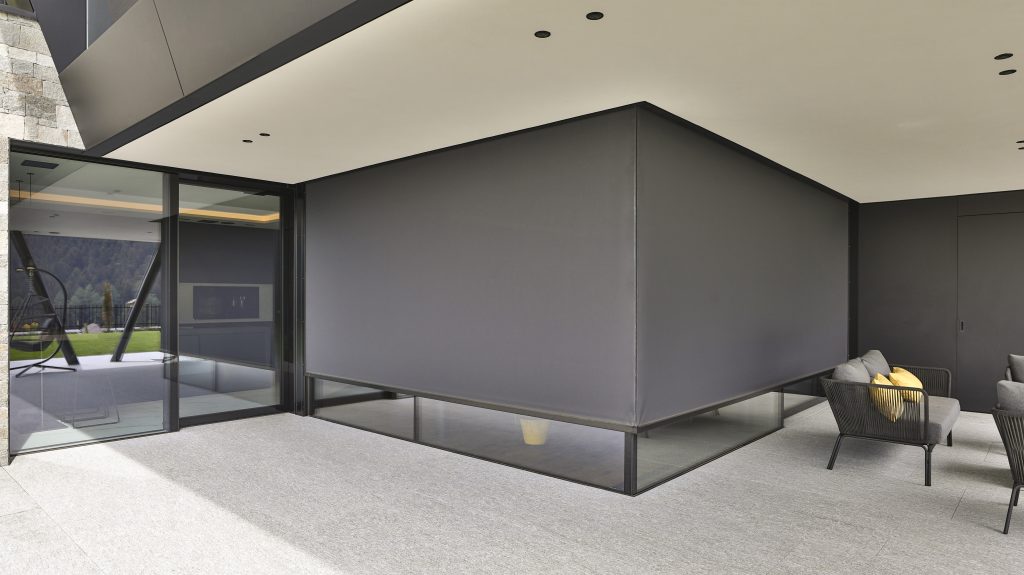
Thanks to the open weave of the screen fabric used, our customers can still enjoy clear sight out of windows and doors. The exterior blinds allow light to filter through while reflecting heat and keeping the interior cool.
Not only could the product save homeowners money on energy bills, but it also reduces damage to interior furnishings, such as fading and deterioration over time.
<img decoding="async" data-attachment-id="18885" data-permalink="https://architecturemagazine.co.uk/2024/10/30/kensington-blinds-on-embracing-low-carbon-building-practices/renson/" data-orig-file="https://architecturemagazine.co.uk/wp-content/uploads/2024/10/Image-3-1.jpg" data-orig-size="2000,1333" data-comments-opened="0" data-image-meta="{"aperture":"11","credit":"Marc Sourbron","camera":"NIKON D800","caption":"Renson 06/2019rFixscreen Minimal Keerbergen","created_timestamp":"1560867815","copyright":"info@sourbronfotografie.be","focal_length":"24","iso":"100","shutter_speed":"0.16666666666667","title":"Renson","orientation":"1"}" data-image-title="Renson" data-image-description data-image-caption="
Renson 06/2019
Fixscreen Minimal Keerbergen
” data-medium-file=”https://architecturemagazine.co.uk/wp-content/uploads/2024/10/Image-3-1-1024×682.jpg” data-large-file=”https://architecturemagazine.co.uk/wp-content/uploads/2024/10/Image-3-1-1024×682.jpg” tabindex=”0″ role=”button” class=”size-medium wp-image-18885″ src=”https://architecturemagazine.co.uk/wp-content/uploads/2024/10/Image-3-1-1024×682.jpg” alt width=”1024″ height=”682″ srcset=”https://architecturemagazine.co.uk/wp-content/uploads/2024/10/Image-3-1-1024×682.jpg 1024w, https://architecturemagazine.co.uk/wp-content/uploads/2024/10/Image-3-1-768×512.jpg 768w, https://architecturemagazine.co.uk/wp-content/uploads/2024/10/Image-3-1-1536×1024.jpg 1536w, https://architecturemagazine.co.uk/wp-content/uploads/2024/10/Image-3-1-150×100.jpg 150w, https://architecturemagazine.co.uk/wp-content/uploads/2024/10/Image-3-1-300×200.jpg 300w, https://architecturemagazine.co.uk/wp-content/uploads/2024/10/Image-3-1-696×464.jpg 696w, https://architecturemagazine.co.uk/wp-content/uploads/2024/10/Image-3-1-1068×712.jpg 1068w, https://architecturemagazine.co.uk/wp-content/uploads/2024/10/Image-3-1-1920×1280.jpg 1920w, https://architecturemagazine.co.uk/wp-content/uploads/2024/10/Image-3-1.jpg 2000w” sizes=”(max-width: 1024px) 100vw, 1024px”>
How do you work with architects and specifiers to support them on their projects?
We work alongside architects to tackle any project. Whether it’s a simple installation, a unique fixture, or an awkwardly shaped skylight, our experienced team can problem solve to achieve flawless results.
We are on hand to offer guidance and expertise from planning stages all the way through to completion. In fact, effective collaboration is one of the core pillars of our business.
Whether it’s helping to solve architectural challenges, ensuring the right fabric is chosen, or being on hand to answer questions, we are there. No matter the project, we go to lengths to make sure professionals and homeowners feel confident and supported throughout the process.
How do you continue to be innovative in the industry?
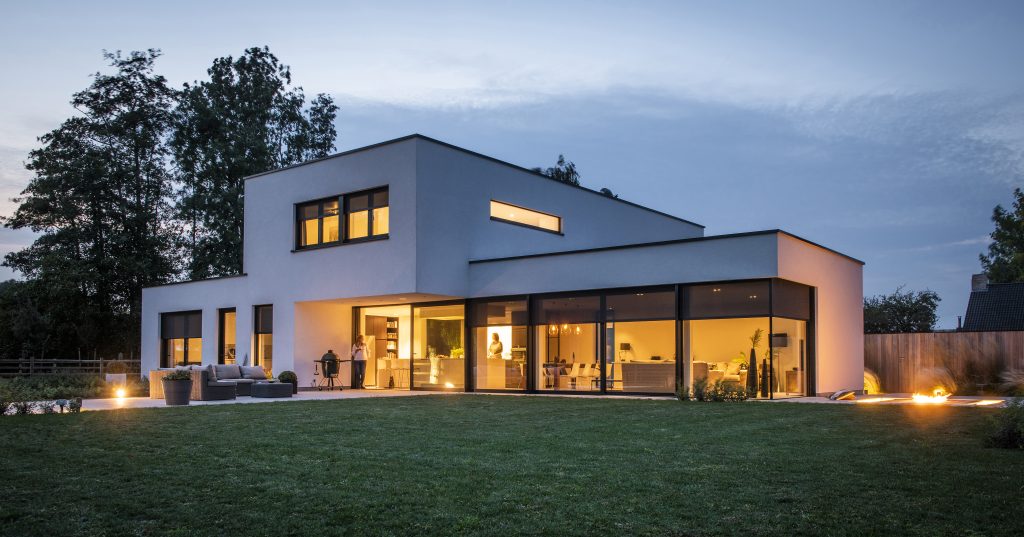
Sustainability, embracing low carbon building practices, and supporting the construction industry in the race to net zero remains a priority for Kensington Blinds. As temperatures continue to rise due to climate change, incorporating effective cooling strategies in home design is more important than ever.
Just last week, it was reported that the IEA predicts that increased reliance on air con to cool homes is expected to cause energy consumption to rise 280% by 2050. It’s a very pressing issue, and a priority for Kensington Blinds to provide an environmentally friendly option to prevent overheating.
What are you focused on for 2025?
For 2025 we are focused on working with and deepening our relationships with like-minded architects, helping them design sustainable homes without compromising on comfort, aesthetics and privacy; and raising awareness of the benefits of external shading among homeowners.


Responses