Large Area Maintenance Shelter: Structural Innovations Explained

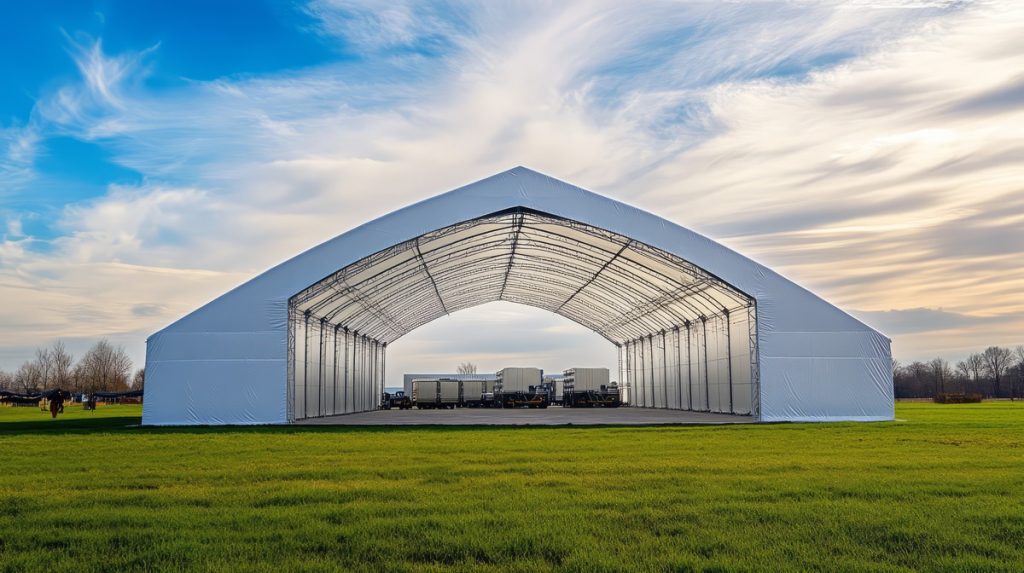
This post was originally published on this site
Maintaining large-scale operations in remote or demanding environments presents significant obstacles. Harsh weather, limited infrastructure, and logistical challenges often complicate efficient operations. Conventional shelters often lack the adaptability to meet these needs, increasing costs and delays.
Traditional shelter systems also fall short in cost-efficiency, durability, and versatility. They often require expensive modifications to withstand extreme conditions or expand capacity. Scalability becomes an issue, especially when quick adjustments are needed for changing requirements.
Large Area Maintenance Shelters (LAMS) offer innovative solutions to these persistent challenges. These shelters combine advanced materials, modular designs, and cutting-edge engineering to provide durable, scalable, and adaptable structures. This article will explore the structural innovations that make LAMS a transformative option for industries needing flexible maintenance solutions.
1. Understanding Large Area Maintenance Shelters
Large Area Maintenance Shelters (LAMS) are specialized structures designed for large-scale operations. They provide versatile, weather-resistant spaces for industries requiring expansive covered areas. Industries like aviation, military, and construction frequently use these shelters for aircraft maintenance, equipment storage, and repair work. Their primary purpose is to offer reliable, adaptable, and cost-effective solutions for maintenance activities in diverse environments.
Key Features
LAMS stand out for their modular design, allowing users to customize size and layout. This modularity ensures they meet the unique needs of each project. Their portability makes them ideal for operations requiring frequent relocation or temporary setups. Additionally, scalability is a core feature, enabling seamless expansion as operational needs grow. These features make LAMS an efficient and flexible choice for industries handling large equipment or complex maintenance tasks.
2. Advances In Structural Design
Large Area Maintenance Shelters use advanced materials like aluminum and carbon fiber. These materials provide a balance between portability and durability. They make the structures easy to transport while ensuring they can withstand harsh environments. High-strength materials also reduce long-term wear, minimizing maintenance costs.
Engineered Frames for Maximum Stability
Innovations in frame engineering have enhanced the stability of LAMS. Tensioned fabric systems distribute stress evenly, preventing structural weaknesses. Reinforced trusses further improve load-bearing capacity, ensuring these shelters remain secure during intense use. These design features guarantee safety and efficiency across various applications.
Weather Resistance
LAMS are built to handle extreme weather conditions. High wind-load ratings ensure stability during strong storms. UV-protective coatings shield internal spaces from sunlight damage. Additionally, advanced insulation helps maintain consistent temperatures, making them suitable for all climates.
3. Assembly and Portability Innovations
Large Area Maintenance Shelters feature quick deployment systems to streamline setup. Pre-engineered components simplify the erection process, reducing time and labor requirements. These systems allow teams to assemble shelters efficiently, even in remote or challenging locations. The design ensures minimal disruption to ongoing operations during installation.
Transport-Friendly Designs
LAMS are designed for easy transportation and storage. Compact packaging optimizes space, making shipping more cost-effective. Lightweight materials further enhance portability, allowing shelters to be relocated as needed. These transport-friendly features make LAMS ideal for industries requiring mobility and rapid reconfiguration.
These assembly and portability innovations ensure that LAMS deliver convenience without compromising on functionality. They help businesses respond quickly to changing operational needs while minimizing costs and delays.
4. Applications Across Industries
Large Area Maintenance Shelters are primarily essential for military operations. They support aircraft maintenance, providing weatherproof spaces for repair and inspection. These shelters are also used for secure equipment storage, protecting valuable assets from environmental damage. Additionally, they serve as tactical operation centers, offering adaptable workspaces in dynamic environments.
Commercial and Industrial Applications
In commercial sectors, LAMS function as temporary warehouses, enabling efficient storage solutions. Construction companies use them for staging areas, keeping materials and machinery protected on-site. During disaster relief efforts, LAMS provide quick and reliable shelter for equipment and supplies. Their portability and scalability make them indispensable in urgent and varied situations.
These versatile applications highlight the broad utility of LAMS across diverse industries. Their adaptability ensures that they meet the unique demands of each sector effectively.
5. Sustainability and Cost Efficiency
Large Area Maintenance Shelters prioritize sustainability through eco-friendly construction methods. Many shelters use recyclable materials like aluminum and advanced fabrics, reducing environmental impact. Energy-efficient designs further enhance sustainability, incorporating features like insulation to minimize energy use. These shelters align with growing industry demands for environmentally responsible solutions.
Long-Term Cost Savings
LAMS deliver significant cost savings over time. Their durable materials and robust designs reduce the need for frequent maintenance. This durability lowers operational costs while ensuring long-lasting performance. Additionally, their adaptability allows businesses to repurpose shelters for new projects, eliminating the need for costly replacements.
By combining sustainability with cost efficiency, LAMS provide businesses with practical, environmentally friendly solutions. These benefits make them a valuable investment for industries focused on both performance and environmental responsibility.
6. Future Innovations in LAMS
Future advancements in LAMS include automation to streamline setup processes. Self-erecting shelters are emerging, using motorized systems to reduce human labor. These shelters can be deployed faster, even in harsh environments. AI-assisted assembly further enhances efficiency, ensuring optimal structural alignment and reducing errors during installation.
Smart Features
Smart technologies are being integrated into LAMS to improve functionality. IoT-enabled systems allow for real-time monitoring of temperature, structural integrity, and energy consumption. These features enhance safety and operational efficiency by providing timely alerts and data insights. Smart shelters also support energy management, optimizing usage to reduce costs.
These innovations ensure LAMS remain at the forefront of technological progress. They address evolving industry needs while enhancing convenience, safety, and cost-effectiveness for various applications.
Conclusion
Large Area Maintenance Shelters (LAMS) combine advanced materials, modular designs, and cutting-edge technologies to address durability, scalability, and adaptability challenges. Their innovative features, such as quick deployment systems and weather resistance, make them ideal for diverse industries, including military, aviation, and construction. By offering cost-efficient and sustainable solutions, LAMS have redefined how large-scale operations manage maintenance needs.
These innovations not only solve current industry challenges but also pave the way for future advancements. With their flexibility and long-term cost savings, LAMS meet the growing demands for efficient and reliable shelter systems in changing environments.
To stay ahead, businesses should explore partnerships with tech companies specializing in AI-driven shelter designs. Investing in shelters with renewable energy features, such as solar panels, can further enhance sustainability and off-grid capabilities, ensuring resilience in even the most remote locations.


Responses